
Key Takeaways:
- Integrated Ecosystems: EdTech is ditching fragmented “Franken-suites” for unified, tiered platforms that streamline the institution’s tech stack.
- Data Sovereignty: Modern AI infrastructure now prioritizes regional data residency to meet strict privacy and compliance standards.
- The Active LMS: The LMS is evolving from a passive storage system into a proactive hub for AI-driven interaction and support.
A few weeks ago, I sat down for a demo with Instructure to get a look at their new product tiering and AI platform strategy for Canvas. It wasn’t just a product update; it felt like a snapshot of where the entire EdTech market is headed.
We’re seeing a massive shift in how software is delivered to schools and universities. The era of the “Franken-suite”, where institutions stitch together dozens of disconnected standalone tools, is beginning to wane. As with other major players like Ellucian, Instructure is moving toward a structured, tiered model. It’s no longer about how many individual apps you can plug in; it’s about how well those capabilities are woven into the core experience.
A Shift to Three Tiers
Instructure is streamlining the Canvas experience into a tiered platform:
- Canvas Core: The bedrock LMS. This includes all the essential features schools rely on, plus baseline AI capabilities focused primarily on accessibility and equity, ensuring that the “foundation” of the platform remains inclusive by default.
- Canvas Plus: This is where things get more sophisticated. It pulls in advanced analytics, video integration (Studio), and AI tools designed to take the “grunt work” out of teaching, such as automated content creation and assessment design.
- Canvas Next: The “frontier” tier. This layer is built for the most advanced AI use cases, including deep data interaction and AI agents that can act as assistants for both faculty and administrators, moving beyond simple automation into proactive support.
This isn’t just about packaging; it’s a move away from fragmented add-ons toward a unified, “single-pane-of-glass” platform.
The Engine Under the Hood: AI Infrastructure
One of the most interesting parts of the demo wasn’t the “what,” but the “how.” Instructure is leveraging AWS Bedrock to power their AI strategy.
By using Bedrock, they can adopt a multi-model approach, meaning they can swap in different Large Language Models (LLMs) depending on the task. This avoids “vendor lock-in” and ensures they are always using the most efficient tool for a specific job—whether that’s summarizing a lecture or grading a quiz.
More importantly, this setup keeps data within specific geographic regions. For global institutions or those with strict data residency requirements, knowing that their student data isn’t crossing borders just to process an AI prompt is a major win for compliance and trust.
Furthermore, new APIs are being introduced to allow external AI tools to talk directly to Canvas content. This signals a future where the LMS is no longer just a “system of record” (a digital filing cabinet), but a system of interaction where AI-driven workflows actually happen.
Why This Shift Toward Tiered Platforms Is Necessary
This move toward tiered platforms is being driven by broader realities in higher education:
- Reducing Ecosystem Complexity: Managing a “tech junkyard” of disconnected tools is exhausting and expensive. Bundled tiers offer a cleaner, more cohesive experience for students and staff.
- Pricing Predictability: Budgeting for EdTech has historically been a game of “Whac-A-Mole” with various add-on fees. Tiered models make costs more predictable and align them with the institution’s actual needs.
- Sustaining AI Innovation: Developing high-end AI isn’t cheap. By placing advanced features in higher tiers, vendors create a sustainable path to keep funding R&D without bloating the cost for everyone.
- Data Sovereignty: By making smart infrastructure choices (like regional model deployment), Instructure is addressing the growing anxiety schools have over data privacy and AI ethics.
The Bottom Line
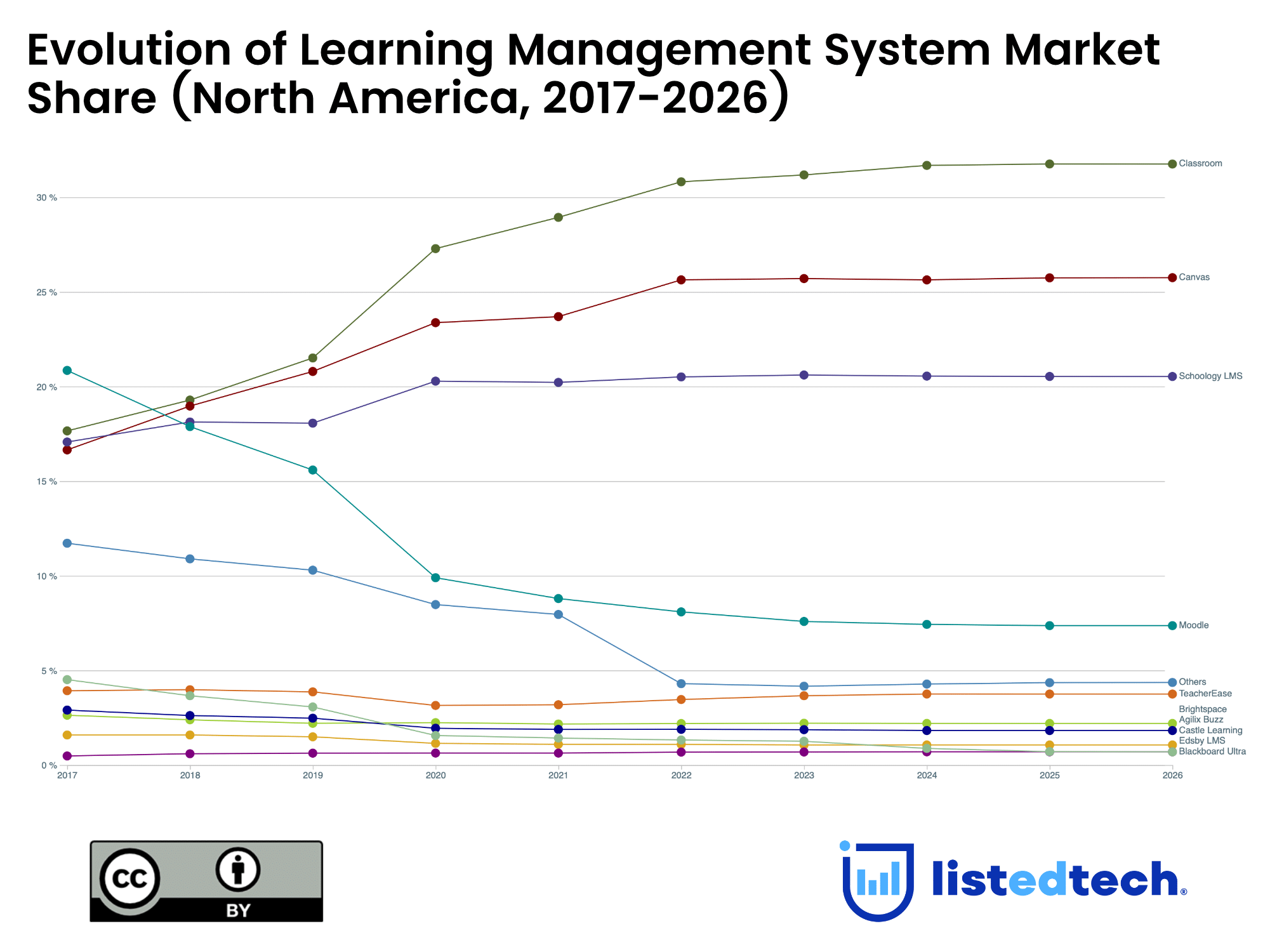
The takeaway here is that the learning management system market is evolving. It is becoming a central hub for AI deployment: a platform that scales alongside an institution’s maturity.
For institutions, this is a double-edged sword. On one hand, it simplifies the ecosystem and provides a clearer roadmap for the future. On the other, it requires leadership to make strategic choices about exactly where (and how much) they want to invest in “next-gen” capabilities. In short: the technology is getting smarter, but the strategy behind it needs to be even sharper.